Robbie: The Bold Typography That Defines Modern Branding
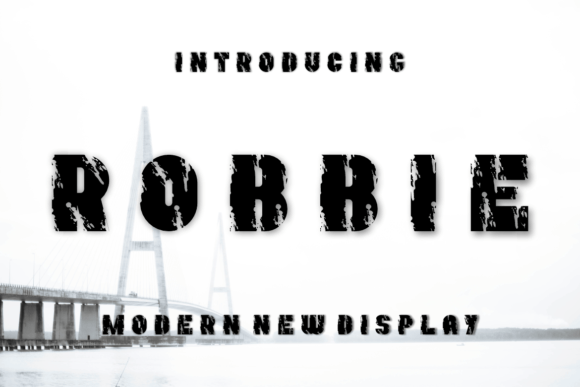
In a world where visual identity plays a crucial role in how brands are perceived, typography has become more than just a design element—it's a statement. Robbie, a cool, modern, and bold display font, is rising as a go-to choice for professionals and creators who want to make an impact with their designs. Whether you're working on product packaging, branding materials, or other creative projects, Robbie offers a unique blend of strength and style that resonates with contemporary audiences.
The demand for bold and daring typography has grown significantly in recent years. As businesses strive to stand out in crowded markets, the need for distinctive visual elements has never been higher. Robbie meets this need by combining clean lines with a strong presence, making it ideal for projects that require attention-grabbing visuals without sacrificing readability.
Why Robbie Stands Out in a Competitive Market
Typography trends have evolved to reflect changing consumer preferences. Today’s audiences value clarity, confidence, and visual appeal—qualities that Robbie embodies. Its bold structure ensures that it commands attention, while its modern aesthetic aligns with current design sensibilities. This makes it particularly useful for brands looking to communicate authority and innovation through their visual language.
Unlike many fonts that prioritize minimalism or elegance, Robbie leans into a more assertive style. It’s not just about being loud; it’s about being intentional. The font’s sharp edges and balanced proportions give it a versatile edge, allowing it to work well in both digital and print formats. This adaptability is especially valuable in today’s multi-platform design workflows.
For entrepreneurs and small business owners, choosing the right font can be a strategic decision. Robbie offers a way to differentiate a brand without overcomplicating the design. It works equally well on a logo, a website header, or a product label, providing a consistent and powerful visual identity across all touchpoints.
How Robbie Fits Into Modern Design Practices
As design tools and platforms continue to evolve, the importance of high-quality typography has only increased. With the rise of digital-first strategies, designers need fonts that perform well across various mediums. Robbie is optimized for both screen and print, ensuring that it maintains its impact regardless of the format.
Moreover, the shift toward remote collaboration and cloud-based design workflows has made accessibility and consistency more critical than ever. Robbie’s clear structure and legibility make it easy to use in team environments, where multiple designers might be working on different aspects of a project. This reliability helps maintain a cohesive brand image, even when working across different locations and time zones.
For creatives, the ability to express personality through typography is a key part of the design process. Robbie allows for that expression without overwhelming the viewer. Its boldness can convey energy and confidence, while its modern feel keeps it from appearing too aggressive or outdated. This balance is essential in a market where subtlety and strength often go hand in hand.
Practical Applications of Robbie in Real-World Projects
One of the most common uses for Robbie is in product packaging. In retail environments, where visual hierarchy is key, a bold font like Robbie can help products stand out on shelves. Whether it's a food item, a tech gadget, or a lifestyle product, using Robbie can create a memorable first impression that drives consumer interest.
Branding is another area where Robbie shines. From company logos to marketing collateral, the font’s strong presence helps reinforce brand identity. For startups and established businesses alike, a well-chosen typeface can communicate values and differentiate a brand from competitors. Robbie’s versatility means it can be used in a variety of brand assets, from social media posts to signage.
Designers also find Robbie useful for editorial projects, such as magazine covers, posters, or advertising campaigns. Its boldness makes it ideal for headlines and subheadings, where it can draw the eye and guide the reader’s focus. When paired with complementary fonts, it can add depth and contrast to a layout, enhancing the overall visual storytelling.
Trends Shaping the Future of Typography and Design
The design industry is constantly shifting, influenced by technological advancements, cultural changes, and evolving user expectations. One trend that has gained momentum is the preference for bold, expressive typography. This shift reflects a broader movement toward authenticity and individuality in visual communication.
As more consumers seek unique experiences, brands are responding by embracing bolder and more distinctive design choices. Robbie aligns with this trend by offering a font that feels fresh and relevant. It’s not just about looking good—it’s about creating a lasting impression that resonates with modern audiences.
Another factor driving this change is the increasing role of digital media in everyday life. With more content being consumed online, the need for visually striking typography has never been greater. Fonts like Robbie help bridge the gap between traditional design and digital innovation, ensuring that brands remain visible and engaging in an increasingly competitive landscape.
Recommendations for Using Robbie Effectively
To get the most out of Robbie, it’s important to consider how it fits into your overall design strategy. Start by identifying the key message or emotion you want to convey. Is your brand looking for a sense of power and confidence? Or do you want to emphasize creativity and innovation? Robbie can support both approaches, depending on how it’s used.
When working with Robbie, it’s also helpful to experiment with different weights and sizes. While the bold version is ideal for headlines and logos, lighter variations can be used for body text or supporting elements. This flexibility allows for more dynamic and layered designs that still maintain a cohesive look.
Finally, don’t forget the importance of spacing and contrast. A bold font like Robbie can easily overwhelm a design if not used thoughtfully. Pairing it with simpler, more neutral fonts can help balance the composition and ensure that the message remains clear and impactful.