Paradox: The Bold Font That Defines Halloween, Horror, and Comic Aesthetics
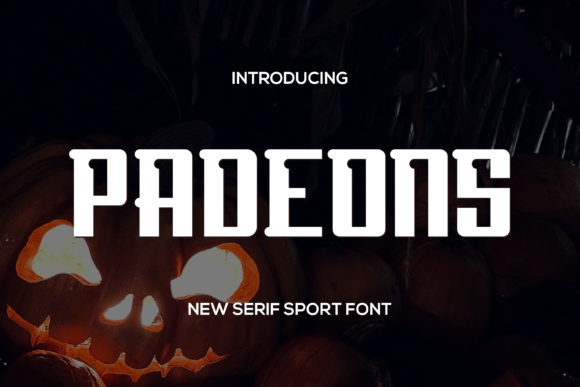
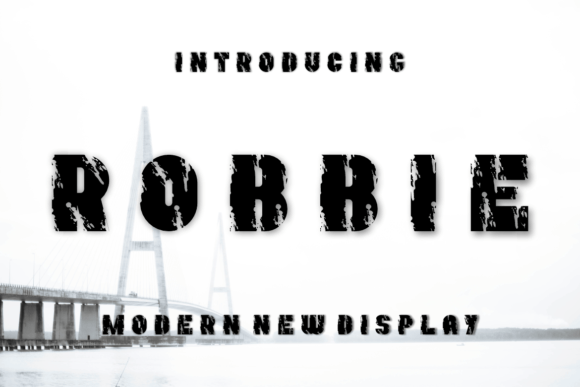
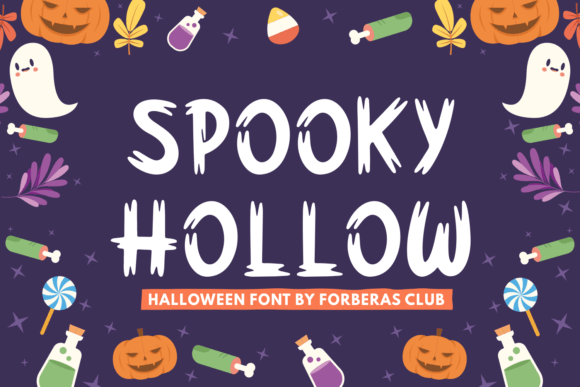
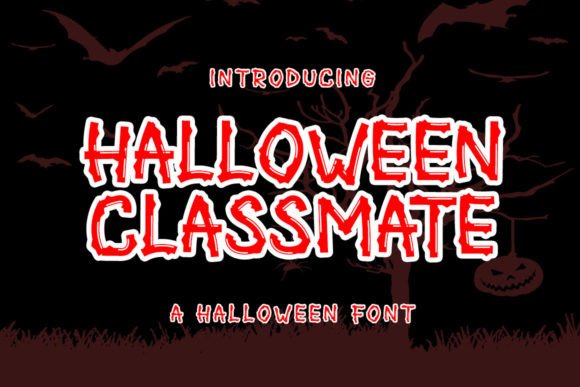
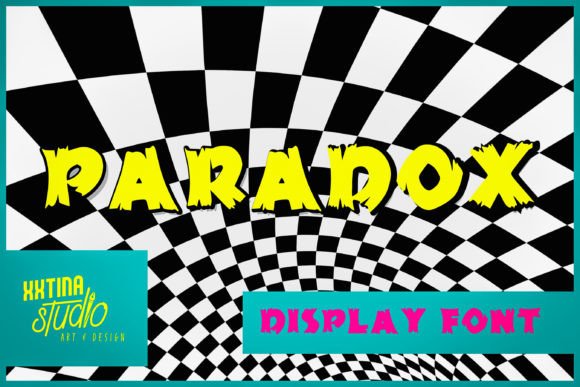
The Paradox font is more than just a visual choice—it's a statement. With its thick strokes and jagged edges, it brings a sense of chaos and energy that perfectly complements themes like Halloween, horror, and comic book design. But while its aesthetic appeal is undeniable, using Paradox effectively requires more than just picking it off a font site. Understanding its strengths, limitations, and best practices can make the difference between a striking design and a confusing one.
For creators, marketers, and designers, Paradox offers a unique way to convey mood and emotion. Its all-caps style and aggressive look make it ideal for titles, logos, and promotional materials where impact matters. However, many users overlook key factors that affect how well the font performs in different contexts. Avoiding common mistakes can help ensure that Paradox enhances your work rather than detracts from it.
Common Mistakes When Using Paradox
One of the most frequent errors is using Paradox in large blocks of text. While its bold, jagged appearance works well for headlines, it can become difficult to read when used for body copy. This is especially true in digital formats where screen resolution and spacing matter. A poorly chosen font can lead to lower engagement, as readers may struggle to process the information quickly.
Another mistake is not considering the overall design balance. Paradox has a strong visual presence, so it often needs to be paired with simpler fonts to maintain readability and harmony. Without this balance, the design can feel overwhelming or unprofessional. For example, using Paradox alongside a serif font like Georgia might create an interesting contrast, but pairing it with another bold sans-serif could result in a cluttered look.
Some users also fail to check the licensing terms before downloading or purchasing Paradox. While many fonts are available for free, others require proper attribution or commercial use licenses. Ignoring these details can lead to legal issues, especially if the font is used in a business context without the right permissions.
How to Use Paradox Effectively
To get the most out of Paradox, start by identifying its purpose in your design. Is it for a logo, a poster, or a social media graphic? Knowing the context will help you decide how to apply the font. For instance, a Halloween-themed poster might benefit from a larger, more dramatic use of Paradox, while a website header might need a more restrained approach.
Testing the font in different sizes and environments is also crucial. What looks good on a print brochure may not translate well to a mobile screen. Always preview the font in the actual medium where it will be used. This helps avoid issues like poor legibility or unexpected spacing that can ruin the overall effect.
When combining Paradox with other fonts, aim for contrast without conflict. A clean, modern sans-serif like Open Sans can provide a nice counterbalance to Paradox’s rough edges. This creates a visually appealing hierarchy that guides the viewer’s eye through the design without overwhelming them.
What to Check Before Using Paradox
Before finalizing your design, review the font’s character set. Some versions of Paradox may not include special characters, symbols, or accented letters. If your project requires these elements, ensure the version you’re using supports them. Otherwise, you may end up with missing characters or inconsistent formatting.
Also, consider the cultural and contextual relevance of the font. While Paradox is great for horror and comic themes, it may not fit well in more traditional or formal settings. A wedding invitation or corporate report, for example, would likely benefit from a more elegant typeface. Choosing the right font for the right audience is essential for effective communication.
Finally, evaluate the quality of the font itself. Not all versions of Paradox are created equal. Some may have inconsistent stroke widths or irregular shapes that affect their appearance. Downloading from reputable sources and checking user reviews can help ensure you’re getting a high-quality, well-designed font.
Realistic Examples and Better Approaches
Imagine a designer creating a Halloween event flyer. They choose Paradox for the headline, which immediately grabs attention with its edgy look. However, they also use it for the event details, making the information hard to read. A better approach would be to use Paradox for the title and a simpler font for the body text, ensuring clarity without sacrificing style.
Another example involves a comic book cover. The artist uses Paradox for the title, which adds a sense of drama and intensity. To enhance the overall design, they pair it with a clean, readable font for the subtitle and credits. This creates a balanced composition that highlights the main message while maintaining professionalism.
For a marketing campaign, a team might use Paradox in a social media post to stand out in a crowded feed. However, they don’t test it on different devices, leading to poor visibility on smaller screens. A more effective strategy would involve testing the font across platforms and adjusting size and spacing accordingly to ensure it remains legible and impactful.
Final Thoughts on Paradox
Paradox is a powerful tool for adding visual interest and thematic depth to your designs. Its bold, jagged style makes it perfect for genres that thrive on energy and excitement. However, like any design element, it requires thoughtful application to achieve the desired effect.
By avoiding common pitfalls, understanding its limitations, and using it strategically, you can harness the full potential of Paradox. Whether you're working on a Halloween promotion, a comic book, or a creative project, the right approach to this font can elevate your work and make it more engaging for your audience.