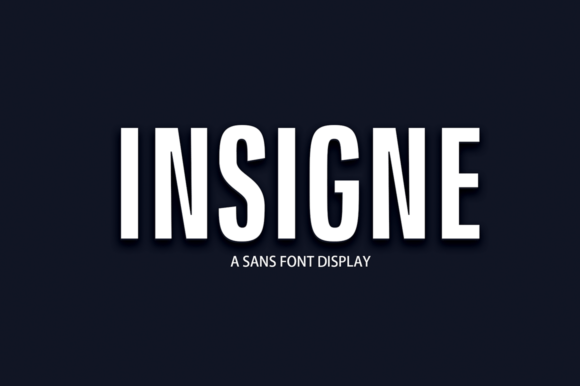
Insigne: A Bold Display Font for Modern Design Workflows
Insigne is a modern and bold display font that brings clarity, strength, and visual impact to any design project. Its clean lines and confident character make it ideal for headlines, logos, branding, and other high-visibility applications. Whether you're working on a website, print material, or digital content, Insigne can elevate the look and feel of your work with its distinctive style.
As part of a broader design process, Insigne fits naturally into workflows that require attention-grabbing typography. It's not just a font—it's a tool that can help shape the tone and message of your creative output. Understanding how to use Insigne effectively can make a significant difference in the quality and consistency of your designs.
How Insigne Fits Into Your Workflow
Integrating Insigne into your workflow starts with understanding where it can add value. Before beginning a project, consider the purpose of the text you'll be using. If you need a strong, readable headline or a bold logo, Insigne can be an excellent choice. It works well in both digital and print formats, making it versatile for different mediums.
During the design process, Insigne can help maintain visual consistency across multiple elements. For example, if you're creating a marketing campaign, using Insigne for all primary headings ensures a cohesive look. This consistency helps reinforce brand identity and improves the overall user experience.
After completing a project, Insigne can still play a role in quality control. Reviewing your work with this font can help identify issues with readability, spacing, or alignment. It's also useful when preparing final assets for clients or stakeholders, as its boldness makes it easy to spot potential problems before they become visible to the end user.
Using Insigne in Different Stages of a Project
Before starting a project, take time to plan which fonts will be used. Insigne is best suited for display purposes rather than body text, so it's important to pair it with complementary typefaces. For instance, pairing Insigne with a sans-serif font like Roboto or Open Sans can create a balanced and professional look.
During the execution phase, consider how Insigne interacts with other design elements. Its bold weight may require adjustments in line height or letter spacing to ensure optimal readability. Testing different sizes and weights can help you find the right balance between visual impact and legibility.
After implementation, evaluate how Insigne performs in real-world scenarios. Does it hold up on different devices and screen sizes? Is it easy to read in low-light conditions or at a distance? These factors can influence whether Insigne is the best choice for your specific use case.
Integration with Other Tools and Resources
Insigne works well with design software such as Adobe Photoshop, Illustrator, and Figma. These tools allow you to experiment with different styles, adjust kerning, and preview how the font looks in various contexts. Many platforms also offer web-safe versions of Insigne, making it easier to use in digital projects without worrying about compatibility issues.
When working with teams, sharing Insigne files or providing access to font libraries ensures everyone is using the same version. This helps maintain consistency across projects and reduces the risk of formatting errors. It's also helpful to document which fonts are used for different elements, so team members can reference them easily.
Insigne can also complement other design methods, such as grid systems or color theory. By aligning the font's weight and structure with these principles, you can create more harmonious and effective layouts. For example, using Insigne for headings while reserving lighter fonts for body text can guide the viewer's eye through the content more effectively.
Practical Implementation Tips
To get the most out of Insigne, start by experimenting with different sizes and weights. While the bold version is ideal for headlines, the regular or light variants can be used for subheadings or captions. This variation allows you to maintain visual interest without overwhelming the reader.
When using Insigne in digital environments, test it on multiple devices to ensure it displays correctly. Some screens may render bold fonts differently, so adjusting the font size or spacing can improve readability. Also, consider the contrast between the font and the background to avoid straining the eyes.
For print projects, check how Insigne looks at different sizes and resolutions. High-quality printing requires precise control over typography, so using the correct file format (such as OTF or TTF) is essential. Always request a proof before finalizing any printed materials to catch any potential issues early.
Observations on Long-Term Use
Over time, using Insigne consistently can help build a recognizable brand identity. Repeated exposure to the same font reinforces brand awareness and creates a sense of trust with your audience. This is especially valuable for businesses that rely on visual consistency across all channels.
However, it's important to remain flexible. While Insigne is a strong choice for many projects, there may be situations where another font is more appropriate. For example, a more minimalist design might benefit from a simpler typeface, while a creative or artistic project could use a more ornate font. Knowing when to use Insigne and when to choose alternatives is key to effective typography.
Regularly reviewing your design choices can also help you stay current with trends and best practices. As design standards evolve, updating your font usage can keep your work looking fresh and relevant. This includes checking for updates to Insigne itself, which may include new weights, language support, or technical improvements.
Conclusion: Embrace Insigne for Confident Design
Insigne is more than just a font—it's a powerful tool that can enhance your design process and improve the quality of your work. By understanding how it fits into your workflow, integrating it with other resources, and applying it thoughtfully, you can achieve better results in your projects. Whether you're designing for a business, a personal brand, or a creative endeavor, Insigne offers the boldness and clarity needed to make an impact.
Confidently adding Insigne to your design toolkit can lead to more consistent, professional, and visually striking outcomes. With careful planning and practical implementation, you'll find that this font becomes an essential part of your creative process.