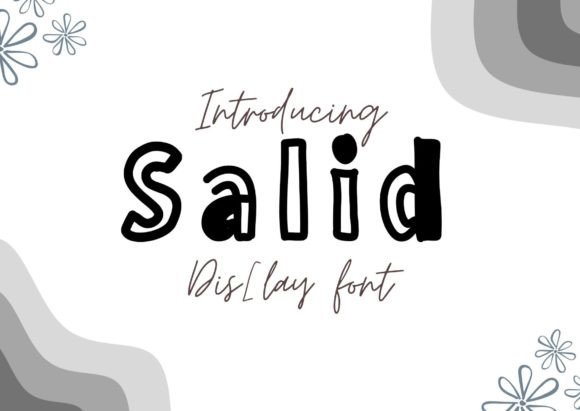
Salid: A Bold Display Font for Creative Expression
When it comes to typography, the right font can transform a simple message into a powerful visual statement. Among the many typefaces available, Salid stands out as a distinctive display font that brings energy and personality to any design. Its unique style makes it ideal for headlines, quotes on products like mugs or shirts, covers, banners, flyers, or anything that needs outstanding typography. Whether you're a designer, a business owner, or a creative enthusiast, understanding the characteristics and applications of Salid can open up new possibilities for your projects.
Understanding the Unique Style of Salid
Salid is not just another display font—it’s a bold choice that commands attention. The font features a mix of sharp angles and flowing curves, creating a dynamic visual rhythm that sets it apart from more traditional typefaces. This combination gives Salid a sense of movement and vitality, making it particularly effective for designs that aim to convey energy or emotion. Unlike serif fonts that often suggest formality or tradition, or sans-serif fonts that lean toward modernity, Salid occupies a space that feels both contemporary and expressive.
The letterforms in Salid are designed with a strong emphasis on contrast. Some strokes are thick and heavy, while others are thin and delicate, creating a striking visual balance. This contrast adds depth and dimension to the text, allowing it to stand out in a crowded visual landscape. Whether used in a headline or as part of a larger typographic composition, Salid has the ability to draw the eye and create a lasting impression.
Applications of Salid in Design Projects
One of the most compelling aspects of Salid is its versatility across different design mediums. For instance, when used on product packaging, such as mugs or t-shirts, Salid can turn a simple item into a statement piece. The font’s boldness ensures that the text remains legible even at smaller sizes, while its unique shape adds a touch of individuality that can set a product apart from competitors. This makes it an excellent choice for brands looking to create a memorable visual identity.
In the realm of print media, Salid excels as a headline font for magazines, posters, or flyers. Its distinct character helps to break up dense blocks of text and guide the reader’s eye through the content. When paired with a simpler body font, Salid can serve as a focal point that draws attention without overwhelming the overall design. For example, a magazine cover featuring a headline in Salid might use a clean, minimal layout to let the font take center stage, creating a visually engaging and professional look.
Salid in Digital Media and Web Design
Beyond print, Salid also finds a place in digital design. On websites, it can be used for hero sections, call-to-action buttons, or navigation menus to add a sense of dynamism. However, it’s important to consider the context in which it’s used. While Salid is highly readable in large sizes, it may not be the best choice for long paragraphs of text due to its intricate details, which can affect legibility on screens. Designers should test the font at different sizes and on various devices to ensure it maintains clarity and impact.
When integrating Salid into web design, it’s also essential to consider the file size and loading speed. As a custom font, Salid may require additional optimization to ensure it doesn’t slow down a website. Tools like Google Fonts or custom font services can help manage this aspect efficiently. By balancing aesthetics with performance, designers can make the most of Salid’s unique qualities without compromising user experience.
Considerations for Using Salid Effectively
While Salid offers a range of benefits, there are several factors to keep in mind when using it in a design project. First, the font’s bold and stylized nature means it should be used strategically. Overusing it can lead to a cluttered or unbalanced design. It’s often best to reserve Salid for key elements such as headlines, titles, or decorative text rather than for body copy or extensive sections of text.
Another consideration is the target audience. Depending on the context, the font’s style may resonate differently with various groups. For example, a more conservative audience might find Salid too unconventional, while a younger or more creative demographic could appreciate its uniqueness. Understanding the preferences and expectations of the intended audience can help determine whether Salid is the right choice for a given project.
Additionally, the availability of the font can impact its usability. If Salid is not widely available or requires a license for commercial use, designers need to ensure they have the proper rights before incorporating it into their work. Checking the licensing terms and exploring alternatives if necessary can prevent potential issues down the line.
Salid in the Broader Context of Typography Trends
The rise of bold and expressive fonts like Salid reflects a broader trend in typography towards individuality and creativity. In a world where digital content is abundant, standing out visually has become increasingly important. Designers are seeking fonts that not only communicate information effectively but also reflect the brand’s personality and values. Salid fits into this trend by offering a distinctive voice that can enhance the visual storytelling of a design.
Moreover, the increasing use of typography in branding and marketing has led to a greater appreciation for fonts that can convey emotion and meaning. Salid’s unique style allows it to do just that, making it a valuable tool for businesses and creators who want to express their identity through typography. Whether used in a logo, a social media post, or a promotional campaign, Salid can help create a cohesive and impactful visual language.