Metrica: The Retro-Style Font That Elevates Any Design
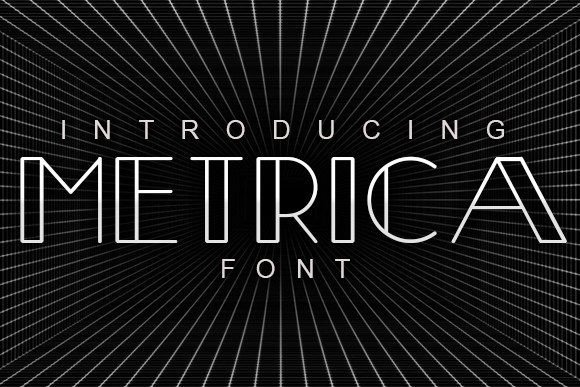
If you're looking for a font that adds a touch of nostalgia while maintaining modern versatility, Metrica might just be the perfect fit. This retro-style display font is more than just a visual choice—it's a tool that can bring personality and character to your projects, whether you're designing a logo, creating a website, or working on a print campaign.
What Makes Metrica Stand Out
Metrica isn't just another font in your collection. It has a distinct aesthetic that blends the charm of vintage typography with the clarity needed for today's design demands. Its clean lines and slightly angular shapes give it a sense of structure, while its subtle imperfections add a handcrafted feel. This combination makes it ideal for projects that want to stand out without sacrificing readability.
One of the key strengths of Metrica is its adaptability. It works well in both digital and print formats, making it a go-to choice for designers who need a font that can transition seamlessly between mediums. Whether you're working on a social media post, a magazine layout, or a packaging design, Metrica can help you achieve a cohesive look that feels intentional and polished.
Real-World Applications of Metrica
For small business owners, Metrica can be a game-changer. Imagine using it for a restaurant menu or a boutique brand name. The font's retro vibe can evoke a sense of authenticity and timelessness, which can resonate with customers looking for something unique. It’s also great for branding materials like business cards or signage, where a strong visual identity is essential.
Graphic designers often turn to Metrica when they need a font that can add visual interest without overwhelming the design. For example, using it in a headline for a poster or a banner can create a focal point that draws attention. It pairs well with other fonts, allowing for a layered design that still feels balanced and professional.
Web developers and UI/UX designers may find Metrica useful for creating a distinctive user experience. While it's not typically used for body text, it can be an excellent choice for headings, buttons, or navigation menus. Its boldness and clarity make it suitable for digital interfaces where legibility is important, even if the font is more decorative in nature.
Who Benefits from Using Metrica?
Entrepreneurs and startups can benefit from Metrica by using it to craft a brand identity that feels fresh yet familiar. In industries like fashion, food, or artisanal goods, where storytelling and heritage matter, this font can help communicate a brand's values effectively. It’s also a good option for creative agencies looking to add a unique touch to their client work.
Designers who specialize in retro or vintage themes will appreciate how Metrica can enhance their projects. It can be used in everything from album covers to vintage-style advertisements, helping to create a cohesive aesthetic that feels authentic. Its versatility means it can be adapted to different styles, making it a valuable addition to any designer's toolkit.
Even non-designers can find value in Metrica. For example, someone creating a personal blog or a DIY project might use it to add a stylish element to their content. It's easy to apply in design software like Adobe Illustrator or Canva, making it accessible to users with varying levels of design expertise.
Considerations Before Using Metrica
Before incorporating Metrica into your work, it's important to consider the context. While it's highly readable in larger sizes, it may not be the best choice for long paragraphs of text. Its decorative nature means it should be used strategically, rather than as a default font for all elements of a design.
Another thing to keep in mind is licensing. Make sure you have the appropriate rights to use Metrica in your projects, especially if you're working on commercial or public-facing designs. Some fonts come with restrictions that could limit how and where they can be used.
It's also worth testing Metrica in different settings. What looks great on a screen might not translate as well to print, or vice versa. Experimenting with different sizes, colors, and backgrounds can help you determine the best way to use it for your specific needs.
When to Avoid Metrica
There are situations where Metrica might not be the best choice. If you're aiming for a minimalist or ultra-modern design, the font's retro characteristics could clash with the overall aesthetic. Similarly, in formal or corporate environments, Metrica might come across as too casual or unprofessional.
Additionally, if your audience is primarily young or tech-savvy, they might not respond as positively to a font that feels nostalgic. In such cases, a more contemporary typeface could be more effective at conveying the right tone and message.
Ultimately, the decision to use Metrica depends on the goals of your project and the message you want to convey. When used thoughtfully, it can add a unique and memorable quality to your work, but it's important to choose it with intention and purpose.