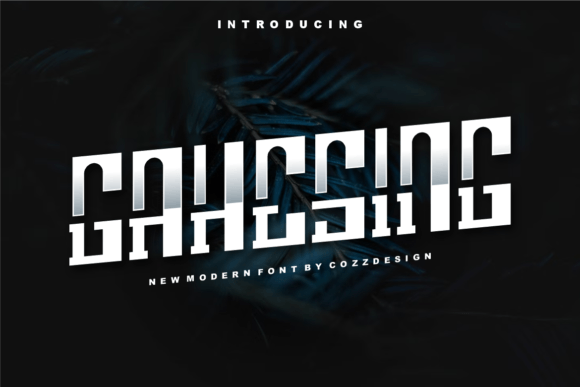
Gahesing: A Modern Display Font for Creative Projects
Gahesing is a contemporary display font that brings a fresh and dynamic feel to any design project. Its clean lines, subtle curves, and modern aesthetic make it an appealing choice for designers looking to add a touch of elegance and personality to their work. Whether used in branding, web design, or print materials, Gahesing offers a versatile and visually engaging option that stands out from more traditional typefaces.
Unlike many serif or sans-serif fonts that follow established design conventions, Gahesing introduces a unique balance between structure and fluidity. This makes it particularly well-suited for projects where a sense of movement or energy is desired. Its legibility at larger sizes also ensures that it remains effective in headings, logos, and other prominent visual elements.
What Makes Gahesing Distinct?
Gahesing distinguishes itself through its combination of simplicity and character. While it avoids the ornate details of classic serif fonts, it retains a level of sophistication that sets it apart from more minimalistic sans-serif designs. The font’s letterforms are carefully crafted to maintain clarity while allowing for expressive use in various contexts.
One of the key features of Gahesing is its adaptability. It can be used in both digital and print formats without losing its visual appeal. This flexibility makes it a valuable tool for designers working across multiple platforms. Additionally, its open counters and consistent stroke weights contribute to its readability, even when used in smaller sizes or with limited spacing.
The font’s name itself suggests a sense of innovation and playfulness, which aligns with its overall design philosophy. This makes it a strong candidate for projects targeting younger audiences or those aiming for a modern, forward-thinking image.
Comparing Gahesing to Similar Fonts
When evaluating Gahesing against other display fonts, it’s important to consider how it fits within different design scenarios. For example, compared to fonts like Montserrat or Lato, Gahesing offers a more distinctive and less conventional look. These alternatives are often favored for their neutrality and broad applicability, making them suitable for a wide range of projects. However, they may lack the individuality that Gahesing provides.
In contrast, fonts such as Bebas Neue or Oswald are known for their bold and attention-grabbing styles. While these can be effective for headlines or signage, they may not offer the same level of subtlety or versatility as Gahesing. Designers who want a font that can transition smoothly between different visual elements may find Gahesing to be a more balanced choice.
For those working with more decorative or script-based fonts, Gahesing serves as a reliable alternative that maintains professionalism without sacrificing style. It avoids the complexity of cursive scripts while still offering a sense of motion and rhythm that can enhance the overall composition.
Strengths and Tradeoffs of Gahesing
Gahesing excels in situations where a modern yet readable display font is needed. Its clean design allows it to pair well with a variety of other typefaces, making it a flexible option for multi-font layouts. This is particularly useful in branding or editorial design, where consistency and visual harmony are essential.
However, Gahesing may not be the best choice for all applications. Its distinctiveness can sometimes make it less suitable for long blocks of text, where more traditional fonts might provide better readability. In such cases, designers may need to rely on complementary typefaces to ensure the overall message remains clear and accessible.
Another consideration is the font’s availability and licensing. While many display fonts are available for free or at a low cost, Gahesing may require a purchase or subscription depending on the intended use. This is something to keep in mind when budgeting for design projects or selecting resources.
When Gahesing Is the Right Choice
Gahesing is ideal for projects that benefit from a modern, confident visual identity. It works well in logo design, where a strong and memorable typography can help establish brand recognition. Its clean lines and structured forms make it a good fit for tech-related businesses, creative agencies, or any organization looking to convey innovation and precision.
It also shines in web design, especially when used for headings, banners, or call-to-action elements. Its ability to maintain clarity at different sizes ensures that it remains effective across various screen resolutions and device types. This makes it a practical choice for digital interfaces that require both aesthetics and functionality.
Additionally, Gahesing can be a great option for print materials such as posters, brochures, or packaging. Its boldness and visual appeal help it stand out in physical environments, where first impressions are crucial. When paired with appropriate colors and layouts, it can elevate the overall impact of a design without overwhelming the viewer.
When Other Options May Be Better
While Gahesing has many strengths, there are situations where other fonts may be more appropriate. For instance, if the goal is to create a timeless or classic look, a serif font like Georgia or Times New Roman could be a better fit. These fonts have a long history of use in publishing and formal settings, making them a trusted choice for certain types of content.
For projects that require a high degree of customization or a more personal touch, script or handwritten fonts might be preferable. These options can add a sense of warmth and individuality that Gahesing may not provide. However, they often come with limitations in terms of readability and scalability.
Designers should also consider the target audience when choosing a font. If the primary users are older adults or individuals who prioritize clarity over style, a simpler and more conventional font may be more effective. Gahesing’s uniqueness can be a strength, but it should be used thoughtfully to ensure it aligns with the overall goals of the project.
Practical Use Cases for Gahesing
One practical application of Gahesing is in social media branding. Many platforms now allow for custom fonts in profile pictures, headers, and captions, giving brands the opportunity to express their identity through typography. Gahesing’s modern aesthetic can help a brand stand out in a crowded digital space while maintaining a professional appearance.
Another scenario where Gahesing is useful is in product packaging design. Its bold and structured form can make a product more eye-catching on store shelves, especially when combined with vibrant colors or striking imagery. This can be particularly beneficial for new or niche products seeking to attract attention and build brand awareness.
For educational or informational websites, Gahesing can be used in section headings or navigation menus to guide users through content without disrupting the flow of reading. Its balance between style and readability ensures that it enhances the user experience rather than detracts from it.
Conclusion: Gahesing as a Thoughtful Choice
Gahesing offers a compelling blend of modernity, readability, and visual appeal that can enhance a wide range of design projects. Its unique characteristics make it a standout option for those looking to add a fresh and confident tone to their work. However, like any font, it is most effective when used in the right context and paired with complementary design elements.
By understanding its strengths and limitations, designers can make informed decisions about whether Gahesing is the right fit for their needs. Whether used in branding, web design, or print materials, it has the potential to deliver strong results when applied thoughtfully and strategically.