Cannon: A Retro 3D Typeface for Creative Projects
The world of typography is vast, with countless fonts designed to suit different styles and purposes. Among these, the Cannon typeface stands out as a unique option that blends retro aesthetics with modern design sensibilities. This 3D retro typeface offers a fresh and dynamic look that can elevate a variety of creative projects. Whether you're designing postcards, flyers, posters, or album covers, understanding the strengths and limitations of Cannon can help you make an informed decision about its suitability for your work.
What Is Cannon?
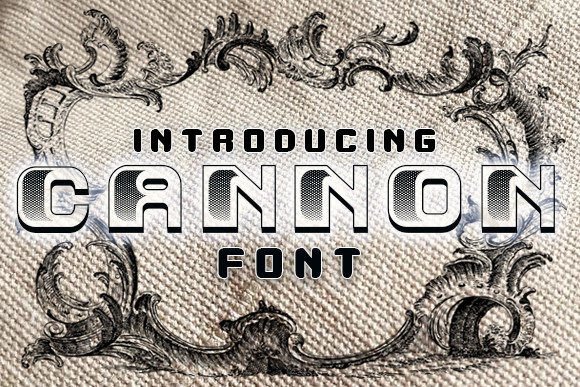
Cannon is a 3D retro typeface that draws inspiration from vintage signage and arcade-style lettering. Its bold, angular shapes and three-dimensional appearance give it a distinctive visual identity that feels both nostalgic and contemporary. The font is often used in designs that aim to evoke a sense of energy, playfulness, or nostalgia. It is particularly well-suited for projects that benefit from a strong, eye-catching presence.
The retro aesthetic of Cannon makes it a popular choice for designers looking to create a visual connection with past decades, especially the 1980s and 1990s. Its 3D effect adds depth and dimension, making it stand out in a sea of flat typography. However, this feature also means that the font may not be ideal for all design contexts, particularly those requiring minimalism or subtlety.
Why Someone Might Be Interested in Cannon
Designers and creatives might consider Cannon for several reasons. First, its 3D structure provides a level of visual interest that can make a design more engaging. This is especially useful for projects where the text needs to command attention, such as in advertising, entertainment, or branding.
Second, the retro style of Cannon can be a powerful tool for evoking specific moods or themes. For instance, it could be used in a project related to gaming, music, or pop culture, where the visual language of the past plays a key role. The font's boldness and clarity also make it easy to read, even at smaller sizes, which is a practical advantage for many applications.
Additionally, Cannon may appeal to those who want to differentiate their work from more conventional typefaces. In a design landscape dominated by clean, modern fonts, the uniqueness of Cannon can offer a refreshing alternative that sets a project apart.
Benefits and Considerations
One of the primary benefits of using Cannon is its ability to add visual impact without the need for additional design elements. The 3D effect alone can transform a simple text layout into something more dynamic. This can save time and resources, as it reduces the need for complex graphics or effects.
Another advantage is the font's versatility. While it is most commonly associated with retro and gaming themes, Cannon can also be adapted to other styles, depending on how it is used. For example, it might be paired with more subdued colors or backgrounds to create a balanced composition.
However, there are some tradeoffs to consider. The 3D nature of Cannon can sometimes make it less readable in certain contexts, particularly when used in large blocks of text. It is best suited for headlines, titles, and short phrases rather than body copy. Additionally, the font's boldness may not align with the tone of more professional or minimalist designs, where subtlety is preferred.
When working with Cannon, it is important to consider the overall design goals. If the objective is to create a strong visual statement, then the font can be an excellent choice. But if the goal is to maintain a clean, unobtrusive look, alternatives may be more appropriate.
Situations Where Cannon May Be a Strong Fit
Cannon is particularly effective in situations where a bold, energetic look is desired. For example, it could be used in the design of promotional materials for events, concerts, or games, where the font's retro flair enhances the theme. It is also well-suited for album covers, merchandise, and other media that benefit from a distinct visual identity.
Another scenario where Cannon shines is in digital environments, such as websites or social media graphics. Its 3D effect can add a layer of depth that makes content more visually engaging, especially when paired with vibrant colors or animations.
In print design, Cannon can be a great option for postcards, flyers, and banners, where the font's presence helps draw attention. However, it is important to ensure that the font is rendered clearly in print, as some 3D effects may not translate well to physical media.
When Alternatives May Be Worth Considering
While Cannon has many strengths, there are cases where other fonts may be more suitable. For instance, in professional or corporate settings, a more traditional or modern typeface might be preferred to convey a sense of reliability and sophistication. In such contexts, the retro style of Cannon could feel out of place or too playful.
Additionally, for projects that require high readability, such as long-form articles or instructional materials, a simpler font may be more effective. Cannon's complexity can make it harder to read over extended periods, which could detract from the user experience.
It is also worth considering the target audience when choosing a font. If the audience is more familiar with modern design trends, a font like Cannon might not resonate as strongly as a more contemporary option. Conversely, if the audience has a connection to retro aesthetics, the font could be a valuable asset.
Practical Decision-Making Insights
When evaluating whether Cannon is the right choice for a project, it is helpful to ask a few key questions. What is the primary purpose of the design? Does the font align with the intended message and tone? Will it enhance or detract from the overall visual hierarchy?
Testing the font in different contexts can also provide valuable insights. Experimenting with various sizes, colors, and layouts can help determine how well Cannon performs in real-world scenarios. This process can reveal any potential issues before finalizing the design.
Ultimately, the decision to use Cannon should be based on how well it supports the creative goals of the project. If the goal is to create a striking, nostalgic, or energetic visual identity, then Cannon can be an excellent choice. However, if the focus is on clarity, simplicity, or professionalism, alternative fonts may be more appropriate.