A Head Brush: A Versatile and Expressive Font for Every Project
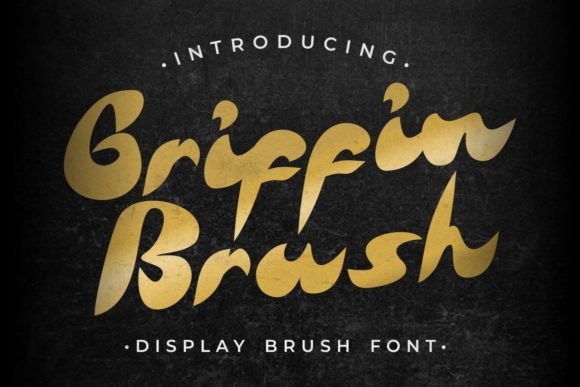
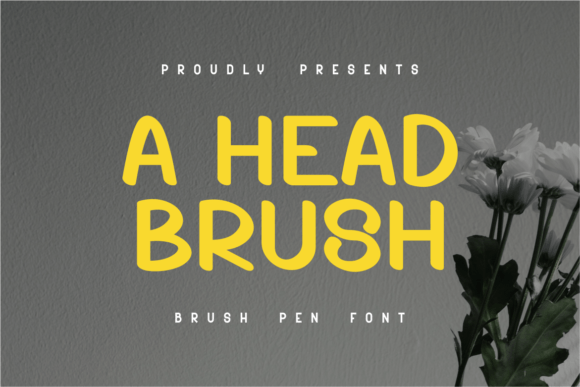
If you're looking for a font that adds personality and flair to your designs, A Head Brush might just be the perfect fit. This casual brush display font is ideal for anyone who wants to bring a handcrafted, artistic feel to their work. Whether you're designing a logo, creating social media content, or working on a personal project, A Head Brush can add a unique touch that stands out.
Unlike more rigid or formal typefaces, A Head Brush has a playful, expressive quality that makes it suitable for a wide range of applications. Its organic, brush-like strokes give it a sense of movement and energy, making it great for projects that need a bit of visual interest without being too overwhelming.
Where and When to Use A Head Brush
One of the best things about A Head Brush is its flexibility. It works well in both digital and print formats, and it can be used in a variety of contexts. For example, if you're creating a poster for a local event, using A Head Brush for the title can make it more eye-catching and memorable. The font's natural, hand-drawn look gives it a friendly, approachable vibe that can help draw people in.
It’s also useful for branding. If you're launching a new business or product, A Head Brush can help create a distinctive brand identity. Think of a boutique coffee shop that wants to stand out from the competition. Using this font for their logo or signage can give them a unique, artisanal feel that resonates with customers.
Real-World Applications for Different Users
For bloggers and content creators, A Head Brush can be a great tool for adding visual interest to headers or captions. Imagine writing a blog post about creative writing tips. Using A Head Brush for the title of a section could make it more engaging and visually appealing. It helps break up text and guide readers through the content in a more dynamic way.
Entrepreneurs and small business owners can use A Head Brush for marketing materials. A head brush font can make a flyer for a local sale or an Instagram post for a new product more eye-catching. It adds a personal touch that can make the message feel more authentic and relatable.
Teachers and educators might find A Head Brush useful for creating worksheets, lesson plans, or classroom signs. Its casual style can make learning materials feel less intimidating and more inviting. For example, a teacher might use it for a fun math activity or a creative writing prompt to spark student interest.
How A Head Brush Can Benefit Different Projects
When working on a design project, the right font can make a big difference. A Head Brush isn't just about aesthetics—it can also influence how a message is perceived. Its casual, brush-like appearance can convey creativity, informality, or even a sense of playfulness. This makes it ideal for projects that aim to connect emotionally with the audience.
Consider a digital marketer who needs to create a social media campaign. Using A Head Brush for headlines or call-to-action buttons can make the content feel more dynamic and engaging. It can help break the monotony of standard fonts and make the message more memorable.
Freelancers and designers often look for fonts that can add a unique edge to their work. A Head Brush offers that opportunity. Whether it's for a client's website, a brochure, or a presentation, this font can provide a fresh, original look that sets the work apart from others.
Things to Consider Before Using A Head Brush
Before jumping into using A Head Brush, it's important to think about the context in which it will be used. While it's versatile, it may not be suitable for every project. For example, if you're designing a professional report or a legal document, a more formal font might be more appropriate. A Head Brush works best when the tone of the project aligns with its casual, expressive nature.
Another consideration is readability. While A Head Brush is visually appealing, it's important to ensure that the text remains legible, especially at smaller sizes. Testing the font in different formats and sizes can help determine whether it's the right choice for your needs.
Also, users should consider where they'll source the font. Many designers and creators download fonts from online marketplaces or font libraries. It's important to choose a reliable source that provides high-quality files and clear licensing information. This ensures that the font can be used legally and without technical issues.
Practical Tips for Getting the Most Out of A Head Brush
If you're new to using brush-style fonts, start by experimenting with small elements like headings or captions. This allows you to see how the font looks in different contexts without overcomplicating your design. Once you're comfortable, you can gradually incorporate it into more prominent parts of your work.
Pairing A Head Brush with other fonts can also enhance its impact. For example, using it alongside a clean, sans-serif font for body text can create a balanced and professional look. This contrast can help draw attention to key elements while keeping the overall design cohesive.
Finally, don't be afraid to play around with the font's styling. Adjusting the size, color, or spacing can help achieve the desired effect. Whether you're going for a bold, statement-making look or a subtle, elegant touch, A Head Brush offers a lot of creative potential.